
Lou lost his job at a state-owned enterprise during the mass layoffs of the early 2000s. Since then, he has pieced together a living through odd jobs. Working for a crypto mining operation is one of them.
You may have heard about Bitcoin mining because of its electricity consumption, environmental impact, or the stories of sudden wealth in the media. However, behind these abstract numbers and myths, cryptocurrency mining is actually a very tangible process—a network that relies on physical infrastructure and labor.
Although “mining” is just a metaphor, every Bitcoin and other altcoins that use the Proof-of-Work (PoW) mechanism are produced at a specific time and place.
Have you ever wondered where these cryptocurrency “mining farms” are located? How are they built? And who are the people doing this work?
This project invites you into the world of China’s cryptocurrency miners. In China, cryptocurrency mining is a noisy and fleeting industry: the country once hosted the world’s largest cryptocurrency mining farms, providing two-thirds of Bitcoin’s computing power, but in 2021, amid increasingly stringent national regulations, these operations rapidly went underground or relocated overseas.
Click on the profile picture to see how each person ended up in crypto mining.

Hu was a building contractor. He had fronted significant capital for construction projects, but when China's real estate market collapsed, developers stopped paying. Left with unpaid debts and no new projects, he turned to crypto mining, drawn by the idea that there are no receivables to chase.
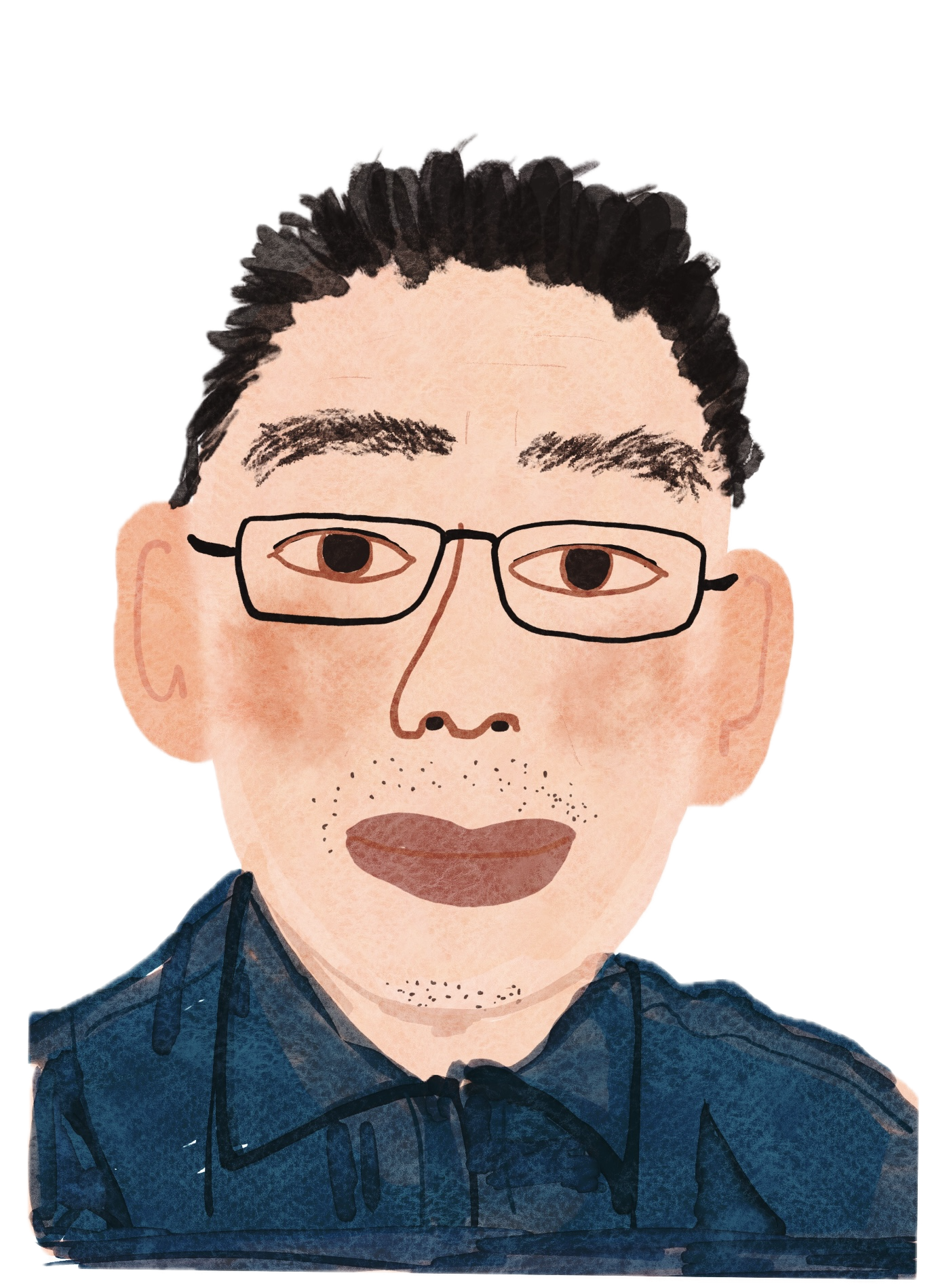
Click me!
Song used to work as an English tutor. When the government banned for-profit academic tutoring in 2021, the company he worked for pivoted to cryptocurrency mining, and Song became a miner.